
-

-

-

-

-

-
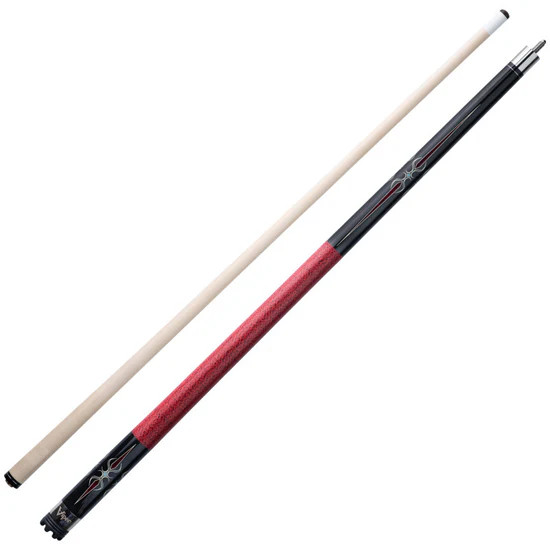
Viper Sinister Pool Cue
$219.99 -
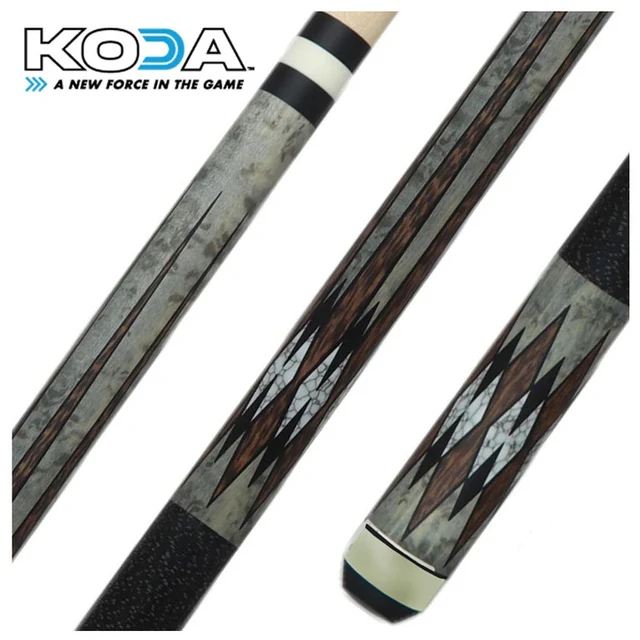
Koda Point Graphic Pool Cue
$340.00 - $430.00 -

-
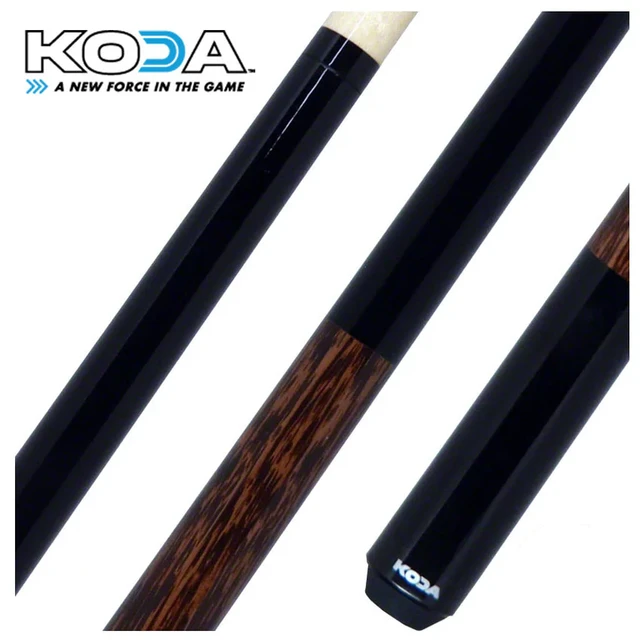
Koda Black Pool Cue
$230.00 - $429.99 -

-
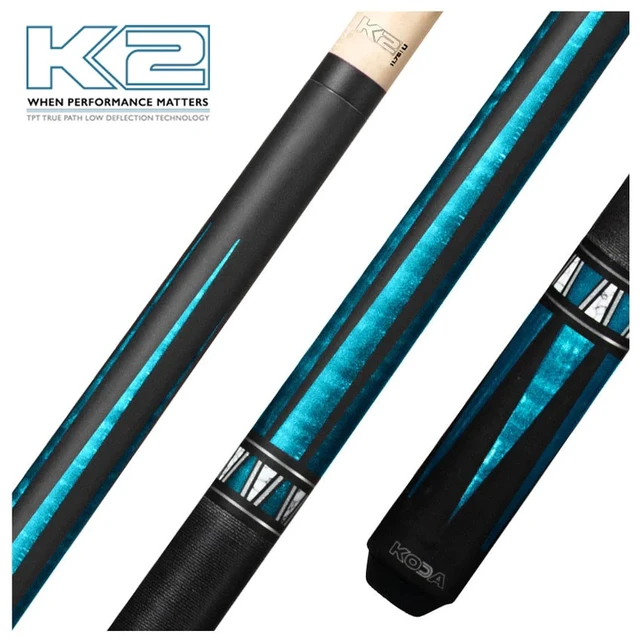
Koda 4 Point Pool Cue with Low Defelection Shaft
$389.00 - $449.00 -
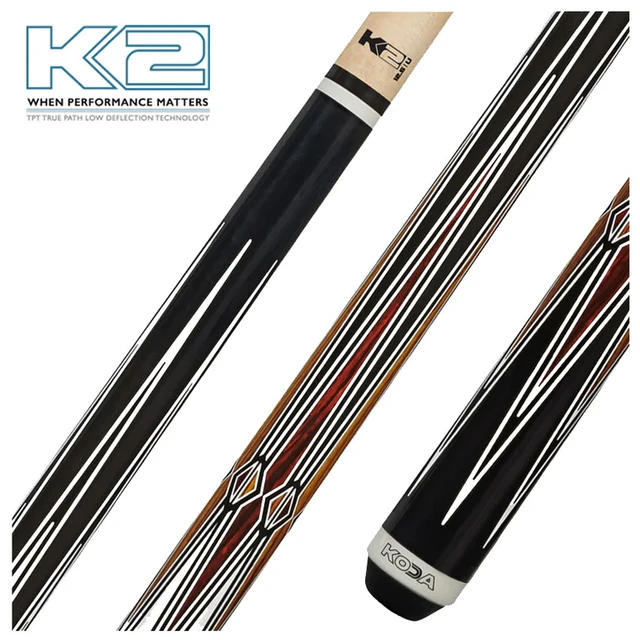
Koda Cocobolo Pool Cue with Low Deflection Shaft
$379.00 - $400.00 -
-

Viper Elite Pool Cue
$99.99 -
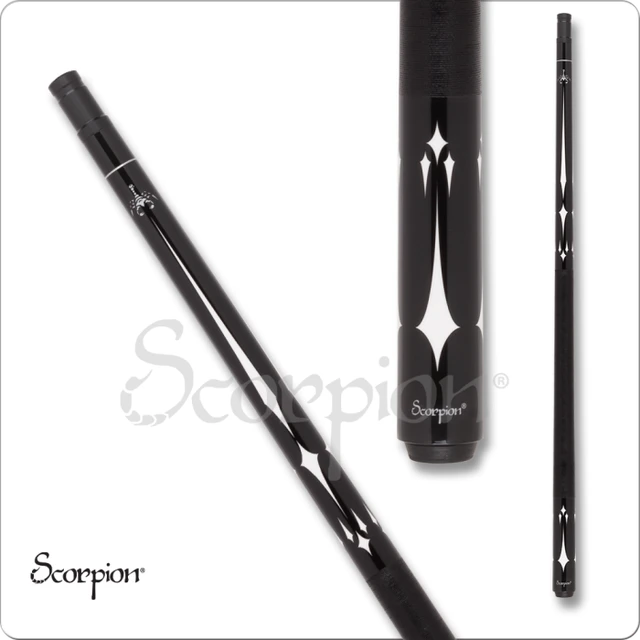
Scorpion Pool Cue
$315.00
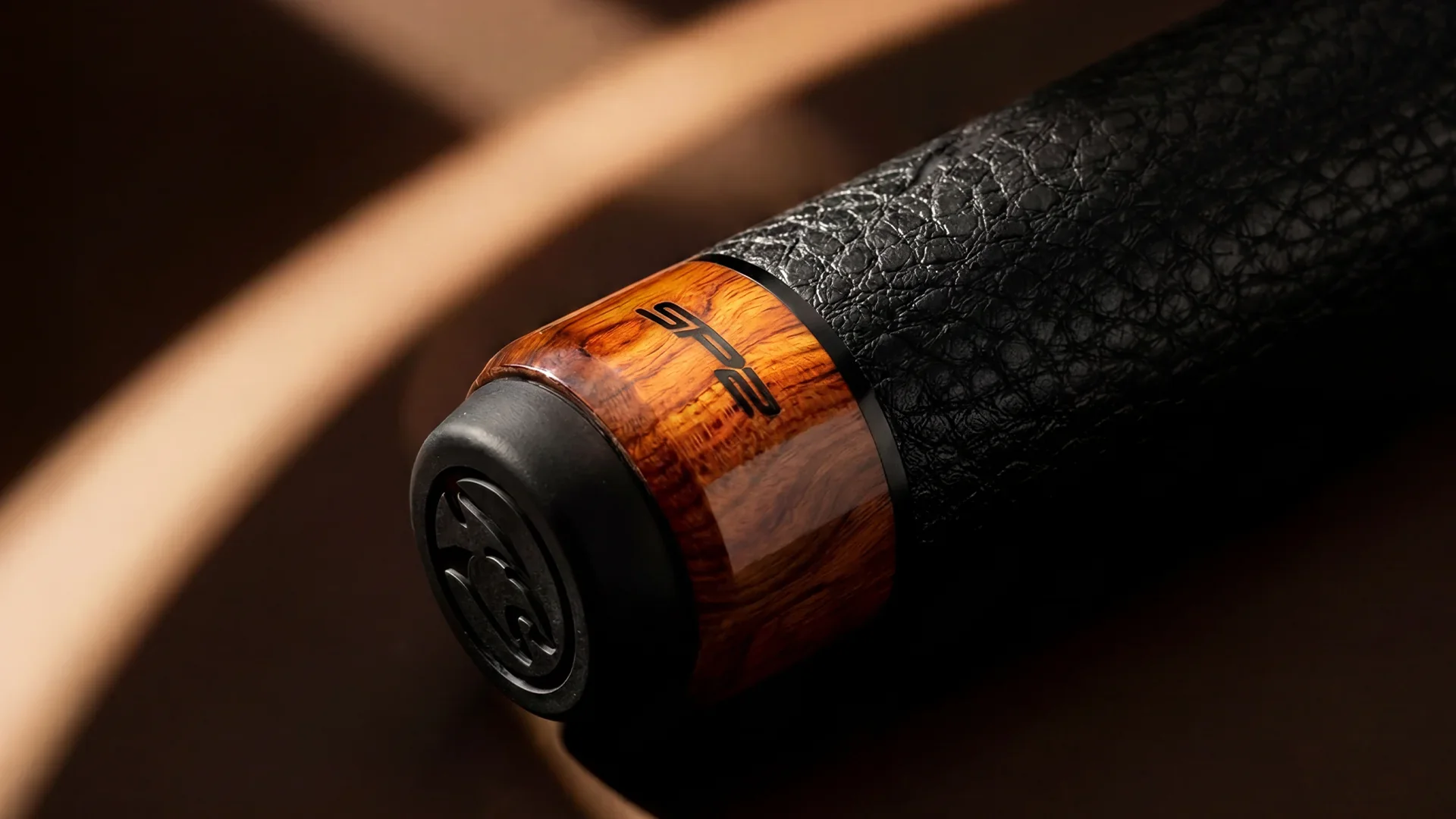
A cue should feel like part of your game. Explore playing and break cues, compare the grip and balance you enjoy, and find a finish you will want to bring to the table.
Cue craftsmanship in detail. Finish and grip options vary by model.Pool Cues · The buying guide
Choose the cue for the shots you play
A pool cue is personal, so begin with its job: everyday play, a first cue of your own, or a separate break cue. From there, compare the individual model’s weight options, wrap, shaft and joint details. The best-looking finish is more enjoyable when the cue’s setup also matches how you want to play.
Details worth knowing
Think about the cue you enjoy playing with now: its weight, balance and grip. Those details are a better starting point than a price alone.
Talk with our teamShould I choose a cue by appearance?
Finish, wood and point work are part of the fun, but start with the job the cue will do: everyday play, an occasional home game or a separate break. Then compare the selected model’s weight options, wrap, shaft and joint details. A cue that suits your hand and your usual game will stay rewarding longer than a finish chosen alone.
What does low deflection mean on a cue listing?
When you strike the cue ball off centre for sidespin, the cue ball initially squirts away from the aiming line. A low-deflection shaft is designed to reduce that initial off-line movement, so less aim compensation may be needed. It is still worth comparing the actual shaft, joint and feel on the selected cue; no two complete setups are identical.
Do I need a separate break cue?
A separate break cue lets you keep a playing cue dedicated to normal shots, but it is a preference rather than a requirement. Compare the exact break-cue specification, wrap and included components before deciding. If you are building a two-cue setup, a case that protects both pieces is worth planning at the same time.
How do I compare wrap and grip?
Think about where your hand rests during an ordinary shot. Compare a wrapped handle with a wrapless finish, then look at the grip area on the exact cue—not just its decorative forearm. Weight, balance and the feel of the shaft work together, so use those details to build a shortlist rather than choosing from one feature alone.
What should I plan for carrying and storing a cue?
Choose a case around the number of butts and shafts you want to carry, including any separate break cue. Check the stated capacity and internal length before ordering. Leave room for the small accessories you actually use, and follow the cue maker’s storage and care guidance to protect its finish, joint and shaft.