
How To Clean A Pellet Grill: A Simple Guide To BBQ Maintenance
Posted by Home Billiards on 27th Apr 2023
Grease buildup doesn’t just make your grill look bad - it quietly ruins your food, wrecks performance, and can shave years off your pellet grill’s life. And the worst part? Most grill owners don’t realize the damage until they’re dealing with uneven cooks, flare-ups, or expensive repairs.
The good news is this: keeping your pellet grill in peak condition is a lot simpler than you think - if you know what actually matters (and what mistakes to avoid).
In this guide, you’ll learn how to clean and maintain your pellet grill the right way, including:
- The common cleaning mistakes that can damage your grill or ruin your food
- The exact tools and supplies you need (no guesswork, no overkill)
- A step-by-step breakdown to clean every critical component inside and out
- Simple maintenance habits that keep deep cleans quick and painless
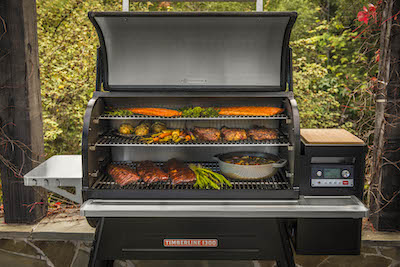
This guide comes from the team at Home Billiards - the only certified Traeger grill repair centre in British Columbia. That means we don’t just sell grills, we take them apart, fix what fails, and see firsthand what poor maintenance actually does over time. Every tip you’re about to read is based on real repairs, real problems, and what it actually takes to keep a pellet grill running like new.
Common mistakes to avoid when cleaning your pellet grill
Before getting to the nuts and bolts of cleaning and maintaining your pellet grill, it’s worth first going over common mistakes to avoid.
Here are some big ones you’ll want to avoid:
- Not letting your grill cool down completely: While some parts of your grill can be cleaned while hot (grates with a brush, for example), attempting to deep clean it while still hot can result in serious injury or damage to your grill.
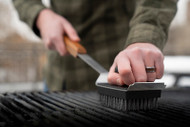
- Using the wrong tools: Abrasive tools like wire brushes with hard bristles can damage the surface of your grill grates or even leave dangerous metal bristles behind.
- Using harsh chemicals: Harsh chemicals, such as bleach or chlorine, can damage the exterior of your grill, create toxic fumes that are harmful to inhale, and get into the food you cook.
Tools and cleaning agents you’ll need
With those common mistakes out of the way, let’s take a look at what tools and cleaning agents you’ll need to properly clean your pellet grill.
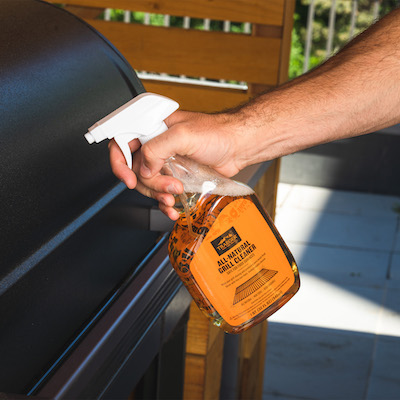
Here’s a basic checklist of everything you’ll want to gather:
- Grill brush (with durable, non-damaging brushes or bristles)
- Scraper
- Sponge
- Dish soap (or other non-toxic cleaning agents, ideally made with natural ingredients)
- Bucket of warm water
- Separate buckets for debris (such as ash) and non-debris (such as emptied wood pellets)
- Paper towels or reusable cloth, some for washing and some for drying
- Rubber gloves
- Shop vac or regular vacuum (to remove ash from the fire pot and other internal components)
This list applies to most Traeger grills, but be sure to check your specific grill’s owner’s manual for any cleaning instructions or recommendations.
How to prepare your pellet grill for a deep clean
Other than collecting the right materials, you want to prep your grill for as effective and safe a clean as possible.
First, empty all pellets from your hopper.
Ensure your grill is turned off, disconnected from a power source, and completely cool to the touch.
You may want to move your grill before cleaning; you might want to avoid getting debris on your patio or wherever else you usually do your grilling.
Finally, if you don’t know already, familiarise yourself with how a wood pellet grills work. This will help you take everything apart more methodically and put it back together.
How to clean the inside of your grill
With your cleaning materials at hand and your grill properly prepared, we can get to cleaning, starting with the inside of your grill.
Inside your grill, outside of your grill’s cover (which you can simply apply soap and water to), you’re going to want to focus mainly on cleaning the following areas:
- grease drip tray
- fire pot
- grill grates
- smokestack
For help removing or gaining access to these areas of your grill, refer to your owner’s manual.
Cleaning your grill's grease drip tray
Remove the grill grates and any other cooking racks from your grill to access the grease drip tray. Then, remove it from the grill.
Once removed, clean the tray using any combination of vacuum, soapy water, a washcloth, and a grill brush that makes the most sense. Let it dry completely.
Cleaning your fire pot
Remove the grease drip tray and heat deflector to access the pot. Carefully remove all ash from the firepot using a vacuum cleaner, ash vac, or another convenient method.
Afterward, use a clean rag, paper towel, or scraper to remove any remaining ash, soot, or dirt. Avoid using water to clean your fire pot, as you want to avoid adding moisture anywhere along your grill’s pellet-to-firepot process.
Also, if your grill has an ash container, now is a great time to empty it.
Cleaning your grill grates
Now, the part of your grill that takes the biggest beating: the grill grates. These are the only parts of your grill that can be cleaned while hot (for example, giving them a good scrub down with a brush after a cook).
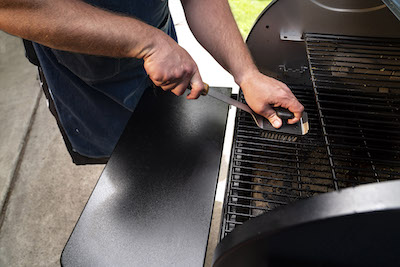
But if you want to do a deep clean, it’s still best to clean them cold. For this, you’ll have to remove them from your grill.
Then, you can throw them in a sink with soap water, hose them down with your garden hose, or wash them in whatever other way makes sense.
If your grates are painted, you should take a gentler approach when washing them, such as soaking them in a cleaning agent and washing off the debris with a soft dish sponge. For non-painted grates, a hard scrubbing with soapy water in your backyard ought to do the job.
Cleaning your smokestack
Despite its role in ensuring proper ventilation and preventing fire hazards, one area that often gets missed during grill deep cleans is the smokestack.
To clean your smokestack, remove the cap from the top of the stack and, if possible, detach it from the grill. Brushing downward, use a chimney brush or a long, flexible brush to scrape off any residue or ash buildup from the inside walls of the stack.
Next, use a rag or paper towel to remove any remaining residue. If you notice stubborn buildup that won't come off with a brush, you can use a shop vac to suck out the debris.
Once you have removed all the debris, wipe the cap and reattach it to the grill.
How to clean the outside of your grill
The inside of your grill is where the magic happens, but that doesn’t mean the outside shouldn’t get equal TLC!
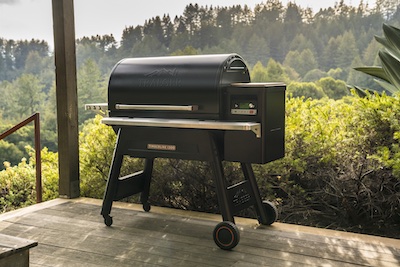
To help keep your grill looking its best alongside the rest of your outdoor decor, simply wipe it down with a damp towel or a cleaning agent if it’s particularly dirty. Be sure to wipe with the grain if it’s stainless steel.
If you’re using a cleaning agent, avoid harsh chemicals such as chlorides, bleach, or acidic cleaners, which can cause corrosion. If there is any stubborn grime or buildup on your grill’s exterior, use a mild degreaser or stainless steel cleaner.
How to maintain your pellet grill between cleans
If that sounds like a lot (we promise you, it’s not!), We’ve got good news; the better you maintain your grill, the less you’ll have to roll up your sleeves for a deep clean.
Here’s an easy maintenance protocol to follow:
- Clean your grates after each use: Turn up the heat after your cooking is done, wait 10-15 minutes for debris to burn off, and give your grates a good scrub before calling it a night.
- Check the fire pot and internal components for any ash buildup before each use. Doing so can help you avoid the debris buildup that necessitates a deep clean.
- Empty the drip tray every few cooks: This prevents grease from building up to the point where it’s a problem. You can also line your drip tray with aluminum foil for easier cleanup.
- Cover your grill between uses: Use a Traeger grill cover to protect your grill from the elements and help prevent rust and corrosion.
- Properly store it outside of the cooking season: Keep your grill in your garage, back shed, or another indoor storage area to protect it from seasonal elements.
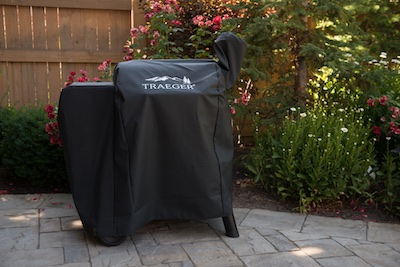
Following this protocol will help keep deep cleaning to a minimum, keep your grill in perfect working order, and maintain its value down the road.
Get started with wood pellet grills today
That’s that! Hopefully, now that you know how to clean a pellet grill, you can confidently enter the grilling season.
To learn more about pellet grills, including how to pick one that best suits your lifestyle, needs, and budget, read through our Traeger buyer’s guide.